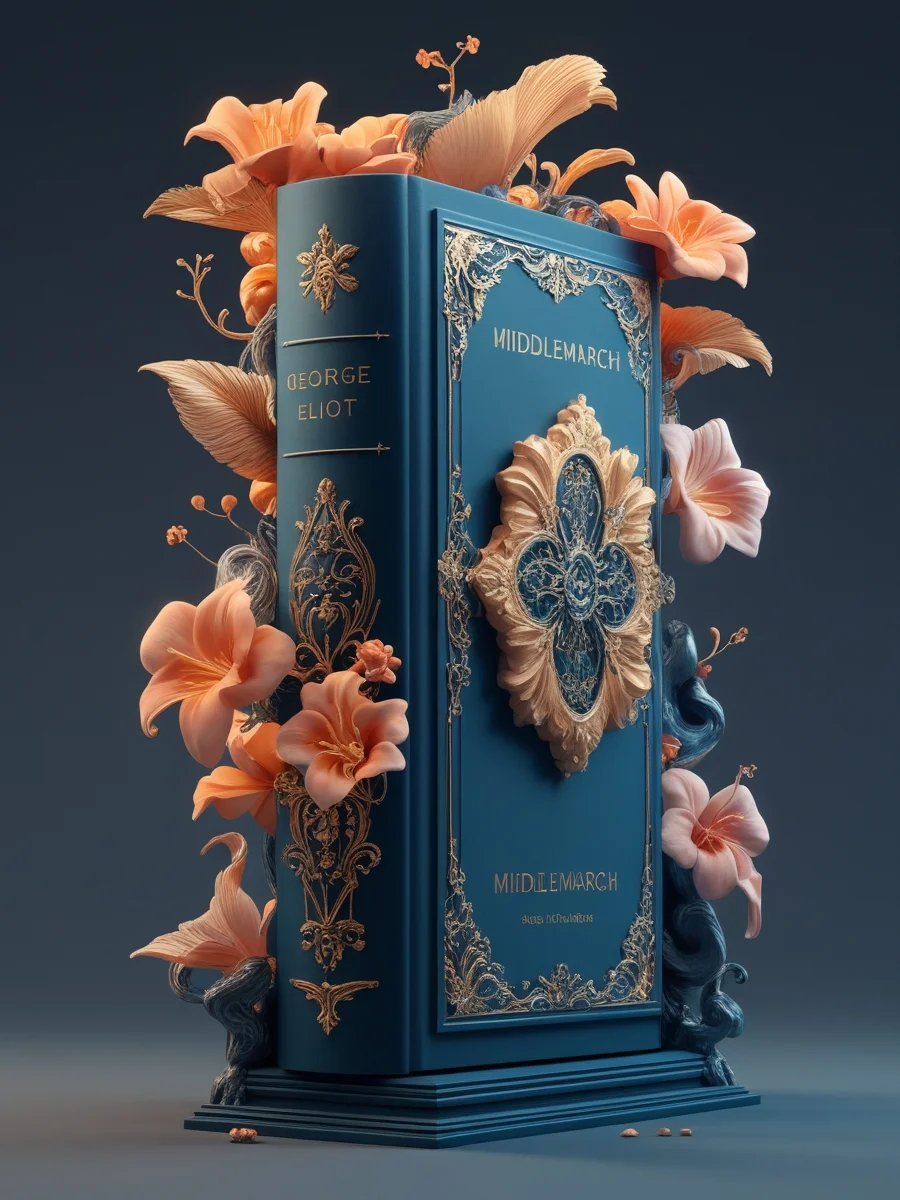
← All reviews

Middlemarch by George Eliot

Middlemarch
M
Ebook

Contemporary Reviews of Middlemarch by George Eliot

★★★★☆ 4.0/5 (5 reviews)
classic-fictionReleased 1871 5 reviews

Every great book is a door. Middlemarch by George Eliot opens onto a world that has captivated readers across generations.

Read the Reviews →

About This Page

This page collects authentic reviews from original sources — the actual words of critics, reviewers, and commentators who examined Middlemarch when it first appeared. From periodicals and publications of the era, these reviews capture the real reactions, debates, and opinions that greeted this work when it was new.

Contemporary Reviews

Hot Take

Review of "Middlemarch" — The Athenaeum (First Notice)

★★★½☆ 3.7The Athenaeum·1871-12-02

No doubt a time may come when the progress of knowledge will make metaphors drawn from physical science really natural as appropriate illustrations, but to such a stage of knowledge the mass of so-called educated readers have certainly as yet not attained. The metaphors are far-fetched, somewhat strained, and drawn by force from the most recondite arcana of chemistry and zoology, are apt, if indulged in, to degenerate into mannerism. We do not remember such in "Romola"; but "Middlemarch" is full of them. They choke the mechanism of the English, and they interrupt the thought. Its present manner of appearance spoils much of our enjoyment. Even those who do not like champagne in tumblers, are not bound to prefer their nectar by the drop.

#
Critical Eye

Review of "Middlemarch" — The Spectator

★★★★★ 5.0The Spectator·Review by R. H. Hutton·1871-12-16

This book has certainly as much power in it as either of the others, and more wit. There is much less of the high scientific style, which, though it is not pedantry in George Eliot, — who is incapable of pedantry, — has all the effect of it to those who do not know her writings well. But it is, if not her completest, yet in many respects her freest and greatest work. We all grumble at "Middlemarch;" we all say that the action is slow, that there is too much parade of scientific and especially physiological knowledge in it, that there are turns of phrase which are even pedantic, and that occasionally the bitterness of the commentary on life is almost cynical; but we all read it, and all feel that there is nothing to compare with it appearing at the present moment in the way of English literature.

#
Insightful

Review of "Middlemarch" — The Saturday Review

★★★★★ 5.0The Saturday Review·1872-12-07

The book is like a portrait gallery. We must say that if our young ladies, repelled by the faint and "neutral" virtues of Celia on the one hand, and the powerfully drawn worldly Rosamond on the other, take to be Dorotheas, with a vow to dress differently from other women, and to regulate their own conduct on the system of a general disapproval of the state of things into which they are born, the world will be a less comfortable world without being a better one. Will Ladislaw is altogether uninteresting. He is petulant, small, and made up of spurts of character, without any wholeness and largeness. Nature has done much for him, but duty — by which all the other characters of the story are tested — altogether fails in him.

#
Scholarly

Review of "Middlemarch" — The Athenaeum (Second Notice)

★★★★☆ 4.3The Athenaeum·1872-12-07

In short, "Middlemarch", if not the best or the pleasantest of George Eliot's works, is yet beyond all measure the most powerful. The construction of the story displays a masterly handling of the most complex materials; the characters are drawn with a depth of analysis and a truth of conception which have rarely been equalled; and the moral purpose which pervades the whole is at once elevated and practical. It is clear that it has not been written, although published, serially. There is no sign of a half completed or altered design anywhere. The handiwork is, throughout, that of a great artist.

#
Notable

Eliot understood people

★★★★½ 4.7·Review by Catherine L.·2026-01-30

This book is a masterpiece of character writing. Every single person in Middlemarch feels real — their hopes their flaws their stupid mistakes. Dorothea is a wonderful tragic figure. Casaubon is heartbreakingly pathetic. But the true genius is how Eliot weaves all these stories together into a portrait of a whole community. Its long and slow but if you stick with it its incredibly rewarding.

#

Why These Reviews Matter

These original reviews offer something no modern summary can: the authentic, unfiltered voice of the people who first encountered Middlemarch. They reveal what surprised, delighted, and sometimes disappointed the first audience. Whether you're a shopper, a scholar, or simply curious, these reviews give you the real story — straight from the source.

Key Takeaways

  • 5 authentic reviews from original periodicals. Including The Athenaeum, The Spectator, The Saturday Review.
  • Published 1871 — these are the original critical reactions to Middlemarch by George Eliot, not modern reinterpretations.
  • Primary source material for researchers, students, and anyone who wants the unvarnished truth about how this work was received.

Bottom line: If you want to understand how Middlemarch was truly received, read the original reviews — not someone else's summary.

More Reviews

Explore more reviews of other books:

Last updated: 2026-01-30