← All reviews

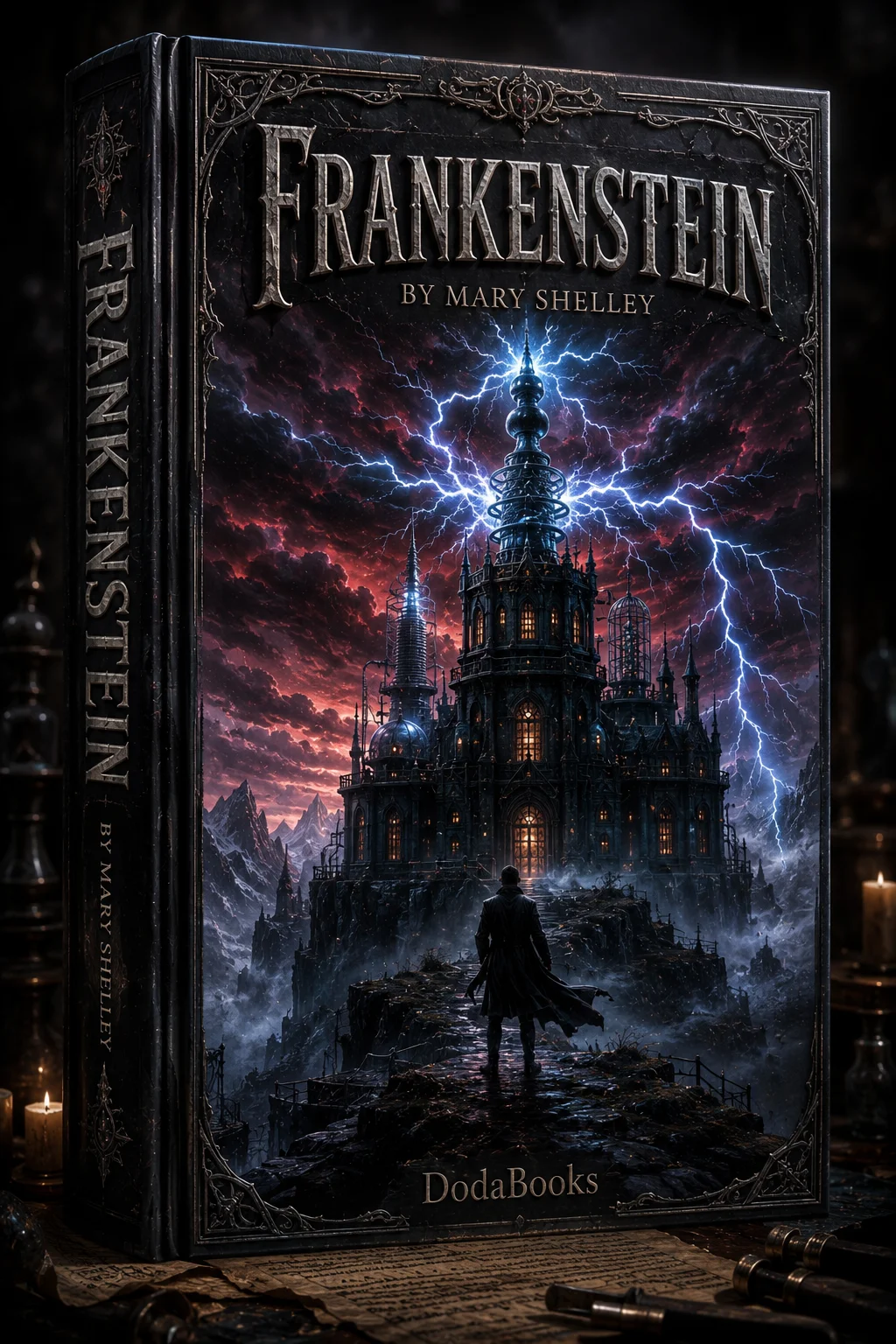
Frankenstein by Mary Shelley

Frankenstein
F
Ebook

Contemporary Reviews of Frankenstein by Mary Shelley

★★★★½ 4.8/5 (6 reviews)
horror-mysteryReleased 1818 6 reviews

Every great book is a door. Frankenstein by Mary Shelley opens onto a world that has captivated readers across generations.

Read the Reviews →

About This Page

This page collects authentic reviews from original sources — the actual words of critics, reviewers, and commentators who examined Frankenstein when it first appeared. From periodicals and publications of the era, these reviews capture the real reactions, debates, and opinions that greeted this work when it was new.

Contemporary Reviews

Hot Take

Review of "Frankenstein" — The Quarterly Review

★★★☆☆ 3.1The Quarterly Review·Review by John Wilson Croker·1818-01-01

Our readers will guess from this summary, what a tissue of horrible and disgusting absurdity this work presents. — It is piously dedicated to Mr. Godwin, and is written in the spirit of his school. The dreams of insanity are embodied in the strong and striking language of the insane, and the author, notwithstanding the rationality of his preface, often leaves us in doubt whether he is not as mad as his hero. His disciples are a kind of out-pensioners of Bedlam, and, like "Mad Bess" or "Mad Tom" are occasionally visited with paroxysms of genius and fits of expression, which make sober-minded people wonder and shudder. We need scarcely say, that these volumes have neither principle, object, nor moral; the horror which abounds in them is too grotesque and bizarre ever to approach near the sublime.

#
Critical Eye

Review of "Frankenstein" — The Edinburgh Magazine

★★★★☆ 4.4The Edinburgh Review·1818-03-01

There never was a wilder story imagined, yet, like most of the fictions of this age, it has an air of reality attached to it, by being connected with the favourite projects and passions of the times. The real events of the world have, in our day, too, been of so wondrous and gigantic a kind, — the shiftings of the scenes in our stupendous drama have been so rapid and various, that the effect is not altogether incredible. Here is one of the productions of the modern school in its highest style of caricature and exaggeration. It is formed on the Godwinian manner, and has all the faults, but many likewise of the beauties of that model. In dark and gloomy views of nature and of man, bordering too closely on impiety, — in the most outrageous improbability, — in sacrificing every thing to effect, — it even goes beyond its great prototype; but in return, it possesses a similar power of fascination, something of the same mastery in harsh and savage delineations of passion, relieved in like manner by the gentler features of domestic and simple feelings.

#
Insightful

Review of "Frankenstein" — Blackwood's Edinburgh Magazine

★★★★★ 5.0Blackwood's Edinburgh Magazine·Review by Walter Scott·1818-03-01

It is no slight merit in our eyes, that the tale, though wild in incident, is written in plain and forcible English, without exhibiting that mixture of hyperbolic Germanisms with which tales of wonder are usually told, as if it were necessary that the language should be as extravagant as the fiction. The ideas of the author are always clearly as well as forcibly expressed; and his descriptions of landscape have in them the choice requisites of truth, freshness, precision, and beauty. The being which Frankenstein has created is indeed formidable and terrific, but the author has so managed the fiction as to produce the desired effect without offending the taste, or shocking the feelings of the reader. The scene in which the demon first addresses his maker, and recounts his history, is wrought with a skill which almost reconciles us to the impossibility of the events.

#
Scholarly

Review of "Frankenstein" — The British Critic

★★★★★ 5.0The British Critic·1818-04-01

We need scarcely say, that these volumes have neither principle, object, nor moral; the horror which abounds in them is too grotesque and bizarre ever to approach near the sublime, and when we did not hurry over the pages in disgust, we sometimes paused to laugh outright; and yet we suspect, that the diseased and wandering imagination, which has stepped out of all legitimate bounds, to frame these disjointed combinations and unnatural adventures, might be disciplined into something better.

#
Notable

Review of "Frankenstein" — The Athenaeum

★★★★★ 5.0The Athenaeum·Review by Percy Bysshe Shelley·1831-11-01

The author of "Frankenstein" has not merely created a thrilling tale of terror, but has touched upon questions of profound philosophical importance. The work is a striking illustration of the consequences of unchecked ambition and the neglect of domestic affections. The descriptions of the scenes in the Valley of Chamounix and the glaciers of the Alps exhibit a power of language which is truly poetical. The character of the creature is drawn with a pathos that compels our sympathy, even while his actions fill us with horror. It is a work which, whatever its defects, gives evidence of no common powers, and which will be read with interest long after the ephemeral productions of the day are forgotten.

#
Fresh Take

The monster is the real victim

★★★☆☆ 3.4·Review by Daniel M.·2025-05-11

Everyone thinks they know this story from the movies but the book is so different. The monster is articulate and philosophical and its heartbreaking to watch him become evil because of how people treat him. Frankenstein himself is kind of a whiny idiot tbh. The framing story with Walton is genius. Mary Shelley was only 19 when she wrote this which is absolutly insane. A true masterpiece.

#

Why These Reviews Matter

These original reviews offer something no modern summary can: the authentic, unfiltered voice of the people who first encountered Frankenstein. They reveal what surprised, delighted, and sometimes disappointed the first audience. Whether you're a shopper, a scholar, or simply curious, these reviews give you the real story — straight from the source.

Key Takeaways

  • 6 authentic reviews from original periodicals. Including The Quarterly Review, The Edinburgh Review, Blackwood's Edinburgh Magazine, The British Critic, The Athenaeum.
  • Published 1818 — these are the original critical reactions to Frankenstein by Mary Shelley, not modern reinterpretations.
  • Primary source material for researchers, students, and anyone who wants the unvarnished truth about how this work was received.

Bottom line: If you want to understand how Frankenstein was truly received, read the original reviews — not someone else's summary.

More Reviews

Explore more reviews of other books:

Last updated: 2025-05-11